
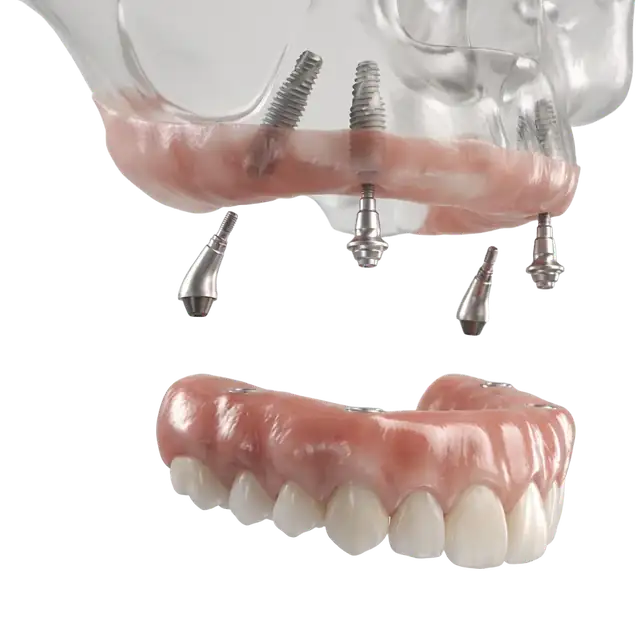
How a dental implant works
A dental implant has three parts: a small titanium post placed in the jawbone that acts as the new tooth root, an abutment that connects to the post, and a custom crown that looks and functions like a natural tooth. Over time the post fuses with the bone through a process called osseointegration, creating a stable, permanent foundation.
- ✓Replaces a single tooth without grinding down healthy neighbors
- ✓Several implants can support a bridge for multiple missing teeth
- ✓Fixed in place — cared for just like natural teeth
- ✓Preserves jawbone density and facial structure
- ✓Surgical and restorative care under one roof
See what implant treatment can change
Drag the handle on each photo to compare before-and-after results from 3rdSET patients. Every smile starts with a plan built around the person behind it.
View the full smile gallery.png)
 BeforeAfter
SMILE in a Day with temporary prosthesis

 BeforeAfter
Full mouth restoration with 6 implants
.png)
 BeforeAfter
All-on-X implants complete transformation
.png)
.png) BeforeAfter
BeforeAfterSMILE in a Day Complete Transformation
Photos shared with patient consent. Individual results may vary.
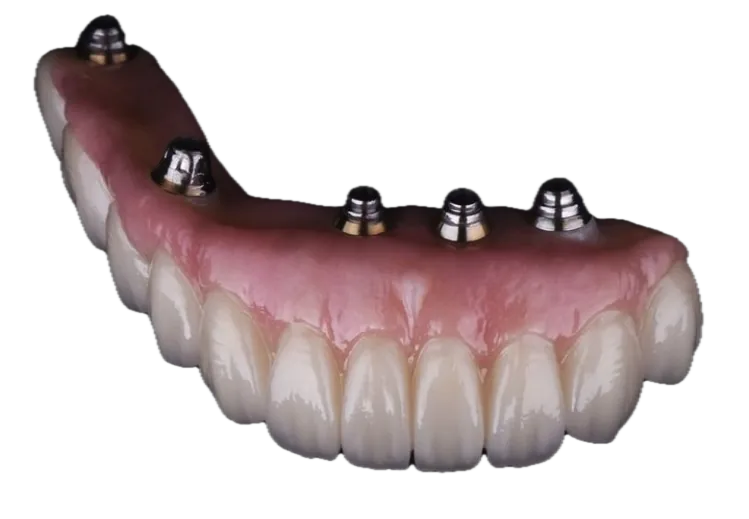
Why patients choose dental implants over bridges & dentures
Implants are the closest replacement to a healthy natural tooth — and the only option that replaces the root to protect your jawbone.
'%3e%3crect%20x='3'%20y='2.5'%20width='26'%20height='26'%20rx='8'%20fill='url(%23glass)'%20fill-opacity='0.85'/%3e%3c/g%3e%3crect%20x='3'%20y='2.5'%20width='26'%20height='26'%20rx='8'%20fill='url(%23sheen)'/%3e%3crect%20x='3.75'%20y='3.25'%20width='24.5'%20height='24.5'%20rx='7.25'%20fill='none'%20stroke='%23ffffff'%20stroke-opacity='0.65'%20stroke-width='1'/%3e%3cg%20transform='translate(7.6%207.1)%20scale(0.7)'%20fill='none'%20stroke='%23ffffff'%20stroke-width='2.857'%20stroke-linecap='round'%20stroke-linejoin='round'%3e%3cpath%20d='M12%205.5c-1.074%20-1.265%20-2.62%20-2%20-4.255%20-2c-2.95%200%20-5.245%202.5%20-5.245%205.5c0%20.5%20.1%201.5%20.5%202.5c.5%201.5%201.5%203.5%201.5%206c0%201%20.5%202%201.5%202s1.5%20-1%201.5%20-2c0%20-1%20.5%20-2%201.5%20-2s1.5%201%201.5%202c0%201%20.5%202%201.5%202s1.5%20-1%201.5%20-2c0%20-2.5%201%20-4.5%201.5%20-6c.4%20-1%20.5%20-2%20.5%20-2.5c0%20-3%20-2.295%20-5.5%20-5.245%20-5.5c-1.635%200%20-3.18%20.735%20-4.255%202z'/%3e%3c/g%3e%3c/svg%3e)
Looks & Feels Natural
Each implant is restored with a custom crown matched to your natural teeth in shade, shape, and bite.
'%3e%3crect%20x='3'%20y='2.5'%20width='26'%20height='26'%20rx='8'%20fill='url(%23glass)'%20fill-opacity='0.85'/%3e%3c/g%3e%3crect%20x='3'%20y='2.5'%20width='26'%20height='26'%20rx='8'%20fill='url(%23sheen)'/%3e%3crect%20x='3.75'%20y='3.25'%20width='24.5'%20height='24.5'%20rx='7.25'%20fill='none'%20stroke='%23ffffff'%20stroke-opacity='0.65'%20stroke-width='1'/%3e%3cg%20transform='translate(7.6%207.1)%20scale(0.7)'%20fill='none'%20stroke='%23ffffff'%20stroke-width='2.857'%20stroke-linecap='round'%20stroke-linejoin='round'%3e%3cpath%20d='M20%2013c0%205-3.5%207.5-7.66%208.95a1%201%200%200%201-.67-.01C7.5%2020.5%204%2018%204%2013V6a1%201%200%200%201%201-1c2%200%204.5-1.2%206.24-2.72a1.17%201.17%200%200%201%201.52%200C14.51%203.81%2017%205%2019%205a1%201%200%200%201%201%201z'/%3e%3cpath%20d='m9%2012%202%202%204-4'/%3e%3c/g%3e%3c/svg%3e)
Protects Your Jawbone
Unlike bridges or dentures, an implant replaces the tooth root itself, stimulating the bone and helping prevent bone loss.
'%3e%3crect%20x='3'%20y='2.5'%20width='26'%20height='26'%20rx='8'%20fill='url(%23glass)'%20fill-opacity='0.85'/%3e%3c/g%3e%3crect%20x='3'%20y='2.5'%20width='26'%20height='26'%20rx='8'%20fill='url(%23sheen)'/%3e%3crect%20x='3.75'%20y='3.25'%20width='24.5'%20height='24.5'%20rx='7.25'%20fill='none'%20stroke='%23ffffff'%20stroke-opacity='0.65'%20stroke-width='1'/%3e%3cg%20transform='translate(7.6%207.1)%20scale(0.7)'%20fill='none'%20stroke='%23ffffff'%20stroke-width='2.857'%20stroke-linecap='round'%20stroke-linejoin='round'%3e%3cpath%20d='M19%2014c1.49-1.46%203-3.21%203-5.5A5.5%205.5%200%200%200%2016.5%203c-1.76%200-3%20.5-4.5%202-1.5-1.5-2.74-2-4.5-2A5.5%205.5%200%200%200%202%208.5c0%202.3%201.5%204.05%203%205.5l7%207Z'/%3e%3cpath%20d='M3.22%2012H9.5l.5-1%202%204.5%202-7%201.5%203.5h5.27'/%3e%3c/g%3e%3c/svg%3e)
Built to Last
With good home care and regular checkups, dental implants are a long-term solution — no adhesives, no slipping, no daily removal.
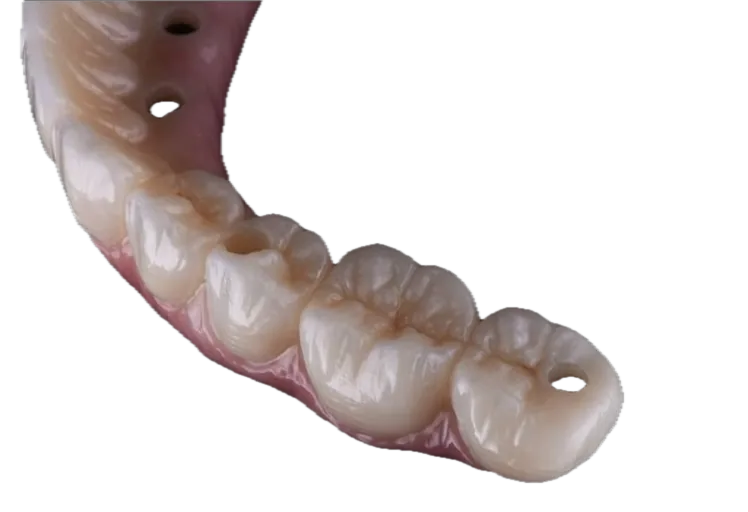
Who is a candidate for dental implants?
Most adults with one or more missing or failing teeth are candidates for dental implants. Common situations that implants address include:
- ✓A single missing tooth from injury, decay, or extraction
- ✓Several missing teeth in a row (implant-supported bridge)
- ✓Teeth that are cracked, infected, or beyond repair
- ✓Loose or ill-fitting dentures you want to replace permanently
- ✓Jawbone loss from long-term tooth loss (often still treatable)
The only way to know for certain is a quick exam and 3D scan at your complimentary consultation.
Missing most or all of your teeth?
When an entire arch needs replacing, full-arch solutions restore every tooth on just a handful of implants — often in a single day.